
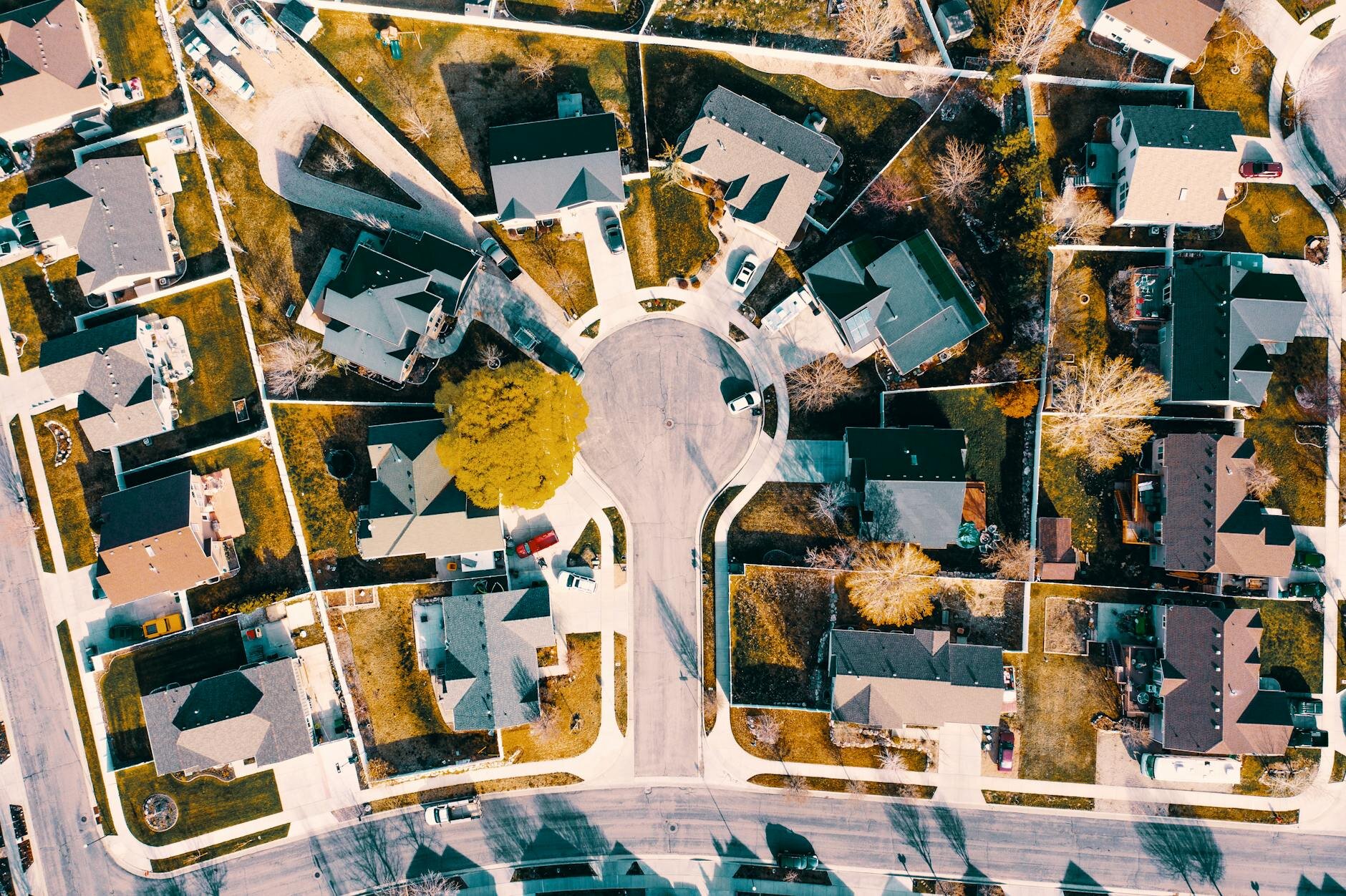
Preparing to buy and own a home? In addition to mortgage payments, homeowners insurance premiums, and repair and maintenance costs, you can expect to pay property taxes. These taxes are levied by local and county authorities once or more every year, with the funds used to pay for local schools, infrastructure, fire and police protection, and other necessaries.
Across the country, homeowners in the nation’s 87 million owner-occupied residences paid an average property tax bill of $4,271 in 2024, based on a National Association of Home Builders’ (NAHB) analysis of the 2024 American Community Survey.
Truth is, average or median tax rates don't show a lot because property taxes in the United States can differ from state to state. Read on to learn how the property tax rate per state can vary, how to compare property taxes by state, states with the lowest real estate taxes, how to qualify for property tax exemptions, and more.
Understanding property taxes in the United States
Property taxes are imposed by local governments on real estate and are calculated using a home’s assessed property value after accounting for any applicable exemptions or deductions. A local authority regularly reviews a property’s market value and applies a property tax rate – often expressed through a millage rate – to determine how much the owner owes, with reassessments occurring on a schedule set by the jurisdiction.
This form of taxation offers a relatively stable source of revenue for municipalities, which rely on it to fund essential services and infrastructure such as schools, police and fire departments, roads, libraries, and other community resources.
“Property tax is an ad valorem tax, which is a fancy way of saying it is based on the assessed value of the asset, not what you paid for,” says Ryan Zomorodi, co-founder of RealEstateSkills.com. “These taxes apply to anyone who owns real property, including residential, commercial, or industrial property.”
Property tax bills may be issued annually, semiannually, quarterly, or on another schedule, depending on the county, with specific due dates clearly listed on each statement. In many cases, mortgage lenders require taxes to be paid through an escrow account, though some homeowners are permitted to submit payments directly online, by mail, or at a local tax office.
Regardless of how payment is made, missing the deadline can result in added interest, penalties, and mounting costs the longer the balance remains unpaid.
How property tax rates vary by state
Property tax rates can fluctuate between states because the rates at which the local government can tax are determined by the constitutions and laws within each of those states, which can limit the rate of tax increases and property tax assessments.
“There are states that depend on the property tax as the main source of revenues, while there are other states that depend on higher sales or income taxes and allow lower property tax rates,” explains Chad Silver, managing partner of Silver Tax Group. “Local tax rates are heavily affected by local government decisions on school budgets, infrastructure projects, and local safety.”
States like Illinois and New Jersey depend heavily on property taxes to fund schools and services, so property tax rates are high in these states, per CPA Greg Monaco. “Other states use income taxes, sales taxes, or tourism revenue, for example, to keep property taxes lower.”
Here’s a list of the effective property tax rates by state, based on the latest data available, according to the NAHB, American Community Survey 1-Year Estimates 2024, and U.S. Census Bureau:
| State | Average Property Value | Average Annual Real Estate Taxes Paid Per Owner-Occupied Home | Average Effective Property Tax Rate per $1,000 of Home Value |
|---|---|---|---|
| Alabama | $283,124.99 | $1,052.00 | $3.72 |
| Alaska | $405,237.86 | $3,646.75 | $9.00 |
| Arizona | $501,951.97 | $2,138.14 | $4.26 |
| Arkansas | $257,978.08 | $1,394.82 | $5.41 |
| California | $991,291.13 | $6,864.92 | $6.93 |
| Colorado | $677,248.95 | $3,516.40 | $5.19 |
| Connecticut | $553,370.61 | $7,498.37 | $13.55 |
| Delaware | $420,509.88 | $2,157.25 | $5.13 |
| District of Columbia | $913,737.38 | $5,771.70 | $6.32 |
| Florida | $514,257.96 | $3,908.69 | $7.60 |
| Georgia | $405,661.98 | $3,111.68 | $7.67 |
| Hawaii | $1,046,221.74 | $3,227.24 | $3.08 |
| Idaho | $523,998.51 | $2,269.42 | $4.33 |
| Illinois | $343,708.48 | $6,163.04 | $17.93 |
| Indiana | $285,706.66 | $2,161.27 | $7.56 |
| Iowa | $270,179.98 | $3,375.56 | $12.49 |
| Kansas | $290,644.22 | $3,491.02 | $12.01 |
| Kentucky | $264,893.56 | $1,916.10 | $7.23 |
| Louisiana | $259,947.37 | $1,448.27 | $5.57 |
| Maine | $409,498.93 | $3,699.79 | $9.03 |
| Maryland | $512,264.83 | $4,619.08 | $9.02 |
| Massachusetts | $722,873.08 | $6,852.73 | $9.48 |
| Michigan | $303,654.02 | $3,427.65 | $11.29 |
| Minnesota | $389,162.73 | $3,841.59 | $9.87 |
| Mississippi | $228,671.43 | $1,237.70 | $5.41 |
| Missouri | $296,792.48 | $2,519.74 | $8.49 |
| Montana | $534,894.94 | $3,166.48 | $5.92 |
| Nebraska | $301,264.88 | $4,155.47 | $13.79 |
| Nevada | $541,365.16 | $2,727.35 | $5.04 |
| New Hampshire | $518,882.65 | $7,003.40 | $13.50 |
| New Jersey | $582,924.99 | $9,766.54 | $16.75 |
| New Mexico | $328,129.46 | $2,000.20 | $6.10 |
| New York | $617,186.70 | $7,572.62 | $12.27 |
| North Carolina | $402,723.15 | $2,512.73 | $6.24 |
| North Dakota | $302,479.55 | $2,846.18 | $9.41 |
| Ohio | $283,660.14 | $3,618.83 | $12.76 |
| Oklahoma | $268,703.09 | $2,094.73 | $7.80 |
| Oregon | $566,121.45 | $4,466.95 | $7.89 |
| Pennsylvania | $338,581.10 | $3,851.24 | $11.37 |
| Rhode Island | $535,120.87 | $5,337.65 | $9.97 |
| South Carolina | $392,912.53 | $1,722.28 | $4.38 |
| South Dakota | $316,841.45 | $3,161.99 | $9.98 |
| Tennessee | $412,337.77 | $1,903.28 | $4.62 |
| Texas | $393,423.84 | $4,896.55 | $12.45 |
| Utah | $630,435.85 | $2,847.96 | $4.52 |
| Vermont | $400,366.52 | $5,600.16 | $13 |
| Virginia | $502,111.76 | $3,783.96 | $7.54 |
| Washington | $726,640.53 | $5,356.16 | $7.37 |
| West Virginia | $216,035.77 | $1,044.03 | $4.83 |
| Wisconsin | $339,949.37 | $4,037.28 | $11.88 |
| Wyoming | $472,429.55 | $2,750.01 | $5.82 |
| Puerto Rico | $176,730.88 | $176.69 | $1.00 |
Highest and lowest property taxes by state
The NAHB reports that, in 2024, New Jersey homeowners faced the nation’s highest average property tax bill, paying $9,767, which is $2,194 more than New York, which ranked second at $7,573.
At the opposite end, West Virginia homeowners paid the lowest average taxes, just $1,044. Illinois recorded the highest effective property tax rate for the second year in a row, at $17.93 per $1,000 of home value, while Hawaii maintained the lowest rate at $3.08 per $1,000. Hawaii also had the highest average home value in the country, at $1.05 million.
Overall, higher effective property tax rates often coincide with higher home values, a pattern particularly evident in the Northeast.
Here’s a breakdown of the top 10 states by highest average annual real estate taxes paid per owner-occupied home, per NAHB 2024 data:
| Rank | State | Average Annual Real Estate Taxes Paid per Owner-Occupied Home | Average Effective Property Tax Rate per $1,000 Home Value |
|---|---|---|---|
| 1 | New Jersey | $9,766.54 | $16.75 |
| 2 | New York | $7,572.62 | $12.27 |
| 3 | Connecticut | $7,498.37 | $13.55 |
| 4 | New Hampshire | $7,003.40 | $13.50 |
| 5 | California | $6,864.92 | $6.93 |
| 6 | Massachusetts | $6,852.73 | $9.48 |
| 7 | Illinois | $6,163.04 | $17.93 |
| 8 | District of Columbia | $5,771.70 | $6.32 |
| 9 | Vermont | $5,600.16 | $13.99 |
| 10 | Washington | $5,356.16 | $7.37 |
Curious where property taxes are the lowest? Here’s a list of the top 10 states by lowest average annual real estate taxes paid per owner-occupied home:
| Rank | State | Average Annual Real Estate Taxes Paid per Owner-Occupied Home | Average Effective Property Tax Rate per $1,000 Home Value |
|---|---|---|---|
| 1 | West Virginia | $1,044.03 | $4.83 |
| 2 | Alabama | $1,052.00 | $3.72 |
| 3 | Mississippi | $1,237.70 | $5.41 |
| 4 | Arkansas | $1,394.82 | $5.41 |
| 5 | Louisiana | $1,448.27 | $5.57 |
| 6 | South Carolina | $1,722.28 | $4.38 |
| 7 | Tennessee | $1,903.28 | $4.62 |
| 8 | Kentucky | $1,916.10 | $7.23 |
| 9 | New Mexico | $2,000.20 | $6.10 |
| 10 | Oklahoma | $2,094.73 | $7.80 |
Factors that influence property tax rates
A variety of elements influence how much you owe in property taxes, such as the market value of your home, local budget needs, and voter-approved measures that fund schools, roads, or other public projects.
“Local government spending is the biggest driver – the more money a jurisdiction needs to raise, the higher the levy,” Monaco continues. “Your property’s assessed value also greatly matters, as does when it was last reassessed and what exemptions are available. Areas with a lot of commercial and industrial property can spread out the tax burden, while mostly residential areas often cannot.”
Keep in mind that the assessed value of your home often rises or falls in step with recent comparable home sales in your area, particularly within the same school district.
Your final property tax bill is calculated by applying the local millage rate to your property’s assessed value, with each mill representing $1 in tax for every $1,000 of assessed value – for example, a $200,000 assessment combined with a 25-mill rate results in a $5,000 annual tax obligation.
Property tax exemptions
Want to lower the amount you pay and property taxes? Find out if you qualify for one of the handful of possible exemptions available. Here’s a breakdown:
Homestead exemption
Homeowners who use their property as a primary residence may be eligible for a homestead exemption, which can lower the home’s assessed value, apply a fixed deduction, or limit how much the assessment can increase each year.
“This is the most common exemption taken, which acts like a standard deduction that lowers your home’s taxable value just for living there as your primary residence,” Zomorodi says.
Eligibility typically requires submitting an application and proof of residency to the local tax assessor by an annual deadline, with approvals handled according to local guidelines.
Senior exemption
Many states and municipalities offer additional property tax relief to older homeowners, commonly starting at age 65. These programs may freeze taxes at a current level or reduce taxable value, though they often require a one-time application and proof of age, and in some areas, proof of income as well.
“The ability to freeze the tax assessment helps ensure that seniors won’t get priced out of their homes during retirement,” explains Zomorodi.
Veteran exemption
Current and former military members may qualify for special property tax benefits, with enhanced relief frequently available to those with service-connected disabilities. These exemptions can range from partial reductions to full tax relief, depending on the state and the degree of disability.
“All 50 states offer some form of property tax relief for veterans with disabilities, but eligibility and benefit size can vary widely,” adds Monaco.
Disability exemption (non-veteran)
Homeowners with qualifying disabilities who are not veterans may also be eligible for property tax assistance. Local programs may offer reduced assessments, capped increases, or other forms of relief, typically contingent on medical documentation and adherence to application requirements set by the taxing authority.
“Some states require a 100 percent disability rating, while others provide some benefit at ratings as low as 10%,” says Monaco. “Any property tax exemption, including one for disability, is not automatic, however – you must apply, provide documentation, and often recertify annually or at other intervals.”
Low-income or hardship exemption
Individuals facing reduced earnings or unexpected financial difficulties may be eligible for relief through low-income or hardship programs. Depending on the jurisdiction, this assistance may include assessment reductions, tax deferrals, or temporary grace periods, usually after providing documentation that shows income below a defined threshold or other qualifying circumstances.
How property taxes impact your home affordability
Be aware that most mortgage lenders require that your property taxes be escrowed, which means your lender will collect funds well ahead of the tax bill due date so that they can be paid automatically on your behalf.
“Even if you have a fixed-rate mortgage loan, your monthly payment will increase if and when your tax bill goes up. Your principal and interest will remain the same, but the escrow portion can change from year to year,” says Monaco.
Increased property taxes not only raise your monthly payment, but “they also decrease your disposable income that can be used to cover other expenditures,” notes Silver. “That’s why, before purchasing a house, you need to carefully understand the local tax rate and potential exemptions you qualify for so you can estimate the long-term costs correctly.”
Zomorodi echoes those recommendations.
“People often underestimate how much high property taxes can hurt their buying power when shopping for a home,” he says. “For example, a $600 monthly tax bill basically deletes about $100,000 from your mortgage eligibility. That’s the difference between getting the home you want and settling for less just to satisfy the local tax assessor.”
In other words, when you apply for home financing, the lender will evaluate all your monthly expenses – including property taxes – to determine how much they are willing to let you borrow. If the estimated property taxes on the home you want to purchase are high, that monthly cost decreases the total amount the lender may be willing to loan you.
It's also smart to compare mortgage rates between different lenders.
The bottom line
Property taxes represent a major portion of homeownership costs and can vary widely based on where you live. It’s smart to look closely at what your estimated property taxes will be before committing to a home purchase, especially one that's out of state, and to determine if you qualify for tax breaks like a homestead, senior, or veteran exemption.
“Remember that nearly identical homes in nearby locations can have significantly different monthly costs due to differences in property taxes,” adds Monaco. “Carefully reviewing local tax rates and the date of the last assessment can provide a clearer understanding of expected bills.”
...in as little as 3 minutes – no credit impact