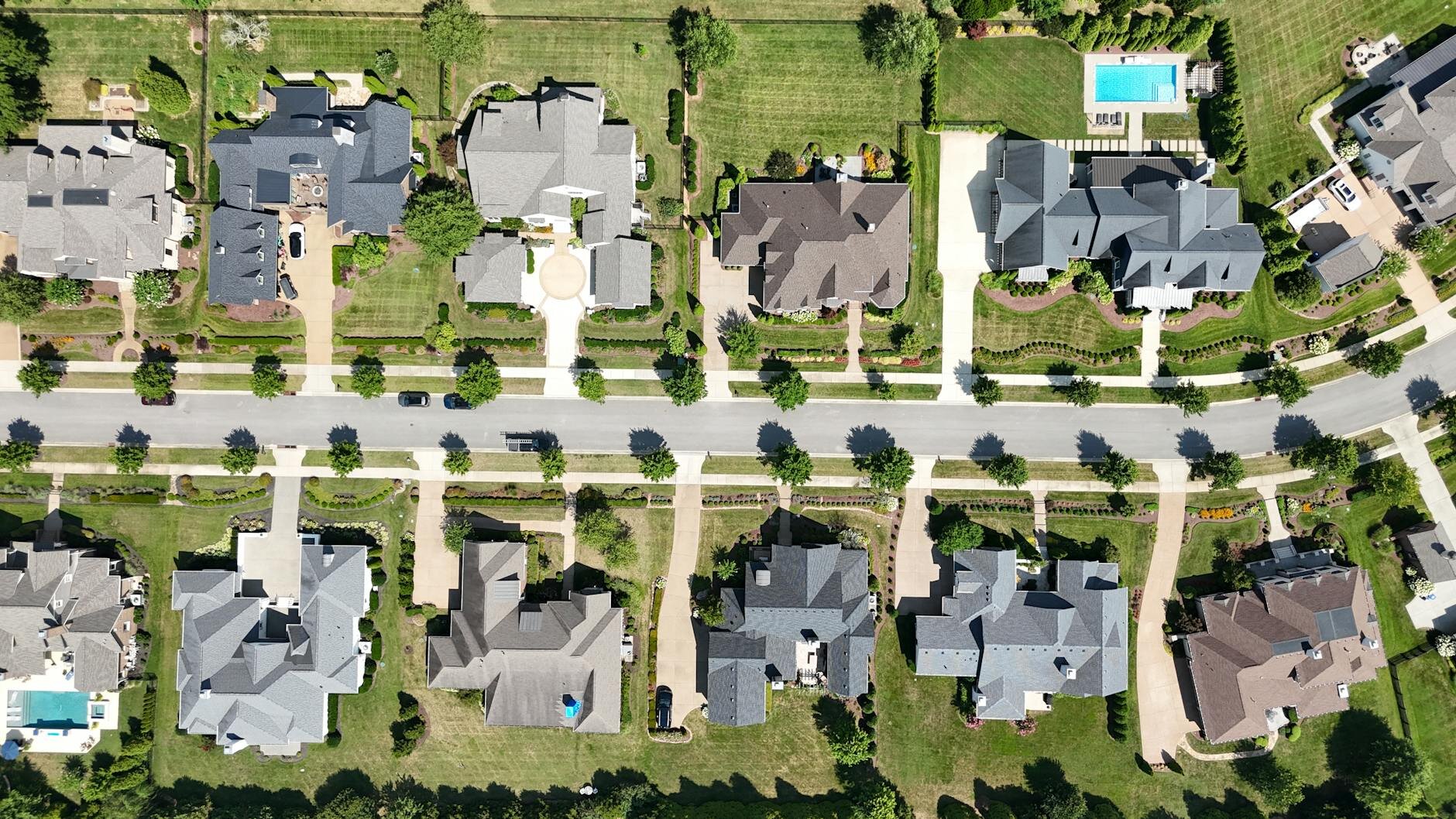
While lender's appraiser and Zillow both look at recent sales of comparable homes, they use that data in fundamentally different ways.
Zillow's Zestimate is an automated valuation model (AVM): a computer algorithm that pulls publicly available data like tax records. An AVM applies a statistical model to estimate home value. No human visits your home. The result is a useful ballpark estimate, not a reliable number for financial decisions.
A lender's appraisal requires a more customized process. A licensed appraiser physically inspects your property, evaluates its condition, notes improvements or deficiencies, and selects comparable sales using professional judgment and regulated standards. Their opinion of value is legally binding, carries professional liability, and is the only valuation a lender will accept.
Both reference valuations use comps, but the appraiser chooses which comps apply and makes adjustments for differences in size, condition, and features that an algorithm can't always see. That's why the numbers frequently diverge, and why the appraiser's number is the one that determines how much you can borrow.
...in as little as 3 minutes — no credit impact
How Zillow picks its comps
Zillow's Zestimate is generated by an automated valuation model, software that analyzes publicly available data to estimate what a home might be worth. The data includes recent recorded sales in the area, tax assessment records, county property data, and information submitted by homeowners who have claimed their listing on the platform.
The algorithm looks for homes that sold nearby with similar characteristics — square footage, bedroom count, lot size — and uses statistical modeling to assign the estimated value that's instantly available. This estimate updates frequently, sometimes daily, and covers millions of properties across the country.
What an algorithm cannot do is visit your home. So it may not know you replaced the roof last year, finished the basement, or that the kitchen was last updated in 1987. It may not know your backyard backs up to a noisy highway, or that your street gets congested by school traffic twice a day. The AVM works from data on file, and if that data is incomplete, outdated, or simply missing, the estimate reflects those gaps.
Zillow itself acknowledges this. The platform states that the Zestimate is not an appraisal and cannot be used in place of one. For homes currently listed for sale, the Zestimate is usually pretty close to the actual market value. Its margin of error is typically about 2% in either direction.
But for off-market homes, like the home you own and would like to refinance, the margin of error is meaningfully wider, typically about 7 percent in either direction.
How a licensed appraiser picks comps
To find the market value of a home, a lender will contract with a state-licensed appraiser. A licensed appraiser follows rules set by the Uniform Standards of Professional Appraisal Practice (USPAP), a regulatory framework that governs methodology, reporting, and professional independence. When your lender orders an appraisal, the appraiser is required to form an independent opinion of value, free from pressure by any party to the transaction.
The appraiser begins with a physical inspection of the property. They walk through the home, assess its condition inside and out, note any improvements or deferred maintenance, measure square footage, and evaluate features that don't appear in public records. They also survey the surrounding neighborhood and consider proximity to amenities, traffic, or other environmental factors.
From there, they identify comparable sales, typically three to six recently sold homes with similar characteristics in the same market area. This is where professional judgment matters most. The appraiser doesn't just pull the three nearest sales and average the prices. They evaluate each comp for relevance: How similar is the floor plan? How recent was the sale? Does the comp require adjustments for a finished basement your home doesn't have, or a garage the comp lacks? Every adjustment is documented and defensible.
Here's a side-by-side look at how the two approaches differ:
| Zillow Zestimate | Licensed appraisal | |
|---|---|---|
| Who produces it | Algorithm | Licensed, state-regulated appraiser |
| Physical inspection | No | Yes |
| Comp selection | Automated, statistical | Professional judgment + USPAP standards |
| Data sources | Public records, user submissions | MLS data, public records, on-site observation |
| Adjustments for condition | Limited | Detailed, documented |
| Legal standing | None | Binding opinion of value |
| Used by lenders | No | Yes — required for most mortgages |
Why the two numbers often differ
Even when Zillow and an appraiser are looking at the same neighborhood sales, the numbers can diverge significantly. Several factors drive the gap.
- Renovations and condition. If you've invested in a kitchen remodel, added a bathroom, or replaced major systems, those improvements add real value that an appraiser can see and document. Zillow's algorithm may not reflect them if the upgrades weren't recorded in public data or submitted by the homeowner.
- Unique features. A licensed appraiser can account for a finished basement, a pool, a detached garage, or a view lot in a way that requires judgment, not just math. Algorithms handle these features inconsistently, especially in markets where few comparable sales exist.
- Market timing and data lag. Public records of home sales often lag the actual transaction by weeks or months. In a fast-moving market, Zillow may be drawing on sales that no longer reflect current conditions. Appraisers have MLS access, which typically provides more timely and complete data.
- Thin or unusual markets. In rural areas, high-end luxury markets, or neighborhoods with few recent sales, the algorithm has less data to work from and its estimates become less reliable. Appraisers are trained to handle these situations, sometimes drawing comps from a wider geographic area and making adjustments.
- Negative features. Zillow can't see deferred maintenance, a cracked foundation, an outdated electrical system, or a layout that buyers consistently reject. An appraiser can — and will reflect these factors in the final value.
Understanding appraised value vs. market value can help clarify why each number serves a different purpose.
What happens when the appraisal comes in below your offer?
This is the scenario most buyers fear, and it happens sometimes. If the appraiser values the home at less than your agreed purchase price, your lender will base the loan amount on the appraised value, not the contract price. That means the gap becomes your problem.
You have several options. First, you can renegotiate the purchase price with the seller. If the seller is motivated and the appraisal is credible, they may agree to lower the price. Second, if you have an appraisal contingency in your contract which allows you to exit the deal if the appraisal falls short — you can walk away without losing your earnest money deposit.
Third, you can request a reconsideration of value. If you believe the appraiser missed relevant comps or made factual errors, you or your lender can formally submit additional data for review. This isn't the same as disputing the appraisal; it's providing information the appraiser may not have had. Learn more about what happens if the appraisal comes in lower than your offer and the full range of options available to you.
Finally, you can cover the gap in cash, paying the difference between the appraised value and the purchase price out of pocket. This keeps the deal together but requires additional liquidity.
...in as little as 3 minutes — no credit impact
Can you use Zillow to predict your appraisal?
Zillow can predict trends, but you shouldn't rely on it to predict the actual appraisal amount.
For a home currently listed for sale in an active market with plentiful comps, the Zestimate may land reasonably close to the appraisal. But close in this context can still mean a gap of $15,000–$30,000 on a median-priced home, which is material when your loan amount depends on it.
For refinances, where the home is off-market, the error rate is wider. According to recent industry data, off-market Zestimate accuracy can deviate by 7% or more from actual sale values. On a $400,000 home, that's a $28,000 swing in either direction.
The Zestimate is a useful tool for monitoring general price trends in a neighborhood, or getting a rough sense of where comparable homes are trading. It is not a substitute for an appraisal and should not be used to set expectations about how much you can borrow or pull out in a refinance. Factors that impact home value are more nuanced than any algorithm can fully capture.
What you can do to prepare for the appraisal
Because the appraiser will see things Zillow cannot, there are real steps you can take to help ensure your home is valued accurately.
Make sure your property information on file is correct. Errors in public records, such as wrong square footage, missing bedroom counts, outdated lot size, can feed inaccurate data into any valuation, including an appraiser's comp research. If your county records are wrong, it may be worth correcting them before the appraisal.
Have a list of improvements ready. Document any significant upgrades like new HVAC, roof, windows, kitchen, bathrooms with dates and approximate costs. The appraiser can consider these if they're visible and verifiable. Knowing what can hurt your appraisal is equally useful — condition matters, and a home in poor repair will be reflected in the value regardless of what the Zestimate shows.
You can also research your own comps in advance. Look at recently sold homes in your area that are genuinely comparable, homes with similar size, age, and condition, for instance. If you find sales that support a higher value than the appraiser selected, you can share this information with your lender as part of a reconsideration of value request if needed.
It's also worth understanding the difference between a home inspection vs appraisal. They serve different purposes, and confusing the two is a common source of frustration for buyers.
Finally, know that appraisal waivers exist. In some cases, typically refinances or purchase loans where significant equity is involved and the risk profile is low, lenders may accept an appraisal waiver, relying on an AVM in place of a full appraisal. If you qualify for a waiver, it can save time and home appraisal cost, which typically runs $300–$600 for a single-family home.
Frequently asked questions
Does the appraiser my lender sends use the same comparable sales as Zillow?
They may look at some of the same underlying sales, but the process is fundamentally different. Zillow's algorithm selects and weights comps automatically using public data. A licensed appraiser selects comps using professional judgment, physical inspection results, and regulatory standards and makes documented adjustments for differences that software can't account for.
Zillow says my house is worth $50,000 more than the appraisal. Why?
Several things can cause this gap. Zillow may not know about condition issues the appraiser observed in person. The appraiser may have selected different comps, ones they judged as more directly comparable. Or Zillow's data for your area may simply be less accurate due to thin sales volume or data lag. A gap of this size is frustrating but not unusual, especially in markets with few recent comparable sales.
My appraisal came in lower than the asking price. What can I do?
You have four main options: renegotiate the price with the seller, exercise your appraisal contingency to exit the deal, request a reconsideration of value if you believe the appraiser missed relevant comps, or cover the gap in cash. The right path depends on how motivated you are to close, how strong your contract protections are, and whether the appraiser's value is genuinely defensible.
How does an appraiser actually choose which comparable sales to use?
Appraisers prioritize recent sales — typically within the past six to 12 months — of homes in the same neighborhood with similar square footage, bedroom and bathroom count, lot size, and condition. When ideal comps aren't available, they expand the search area or time frame and make documented adjustments. The selection process requires professional judgment and is governed by USPAP standards.
Is Zillow accurate enough to use before I refinance?
It can give you a directional sense, but not a reliable number. For off-market homes (like when you're refinancing) the Zestimate's margin of error is meaningfully wider than for listed homes. Recent industry data suggests off-market estimates can deviate by 7% or more. Use it as a starting point, but don't build your refinance math around it.
What can I do before the appraiser visits to make sure my home is valued fairly?
Verify your property data in public records, document any significant improvements with dates and costs, address obvious deferred maintenance, and have a list of relevant comparable sales handy in case you need to submit a reconsideration of value later. Presentation matters too. A well-maintained, clean home signals condition to an appraiser in a way that public data never can.
Why do appraisers sometimes pick comps that seem worse than my house?
Appraisers are required to select the most comparable recent sales available, not the highest-priced ones. If the closest comps are homes that sold for less than you'd like, the appraiser will use them and make upward adjustments where your home genuinely outperforms. If you believe the appraiser missed better comps, you can request a reconsideration of value through your lender.
What's the difference between an AVM, a Zestimate, and a licensed appraisal?
An AVM (automated valuation model) is any algorithm-based home value estimate. Zillow's Zestimate is one example of an AVM. These are useful tools for quick estimates but carry no legal standing and are not accepted by lenders for mortgage decisions. A licensed appraisal is a regulated, professionally accountable opinion of value based on physical inspection and documented methodology. It's the only valuation that counts when you're borrowing.
The number that matters for your loan
Zillow is a useful tool. It's a reasonable way to track neighborhood price trends, get a rough sense of your home's position in the market, or do early planning before you refinance. It is not the number your lender will use, and treating it as a reliable predictor of your appraisal will frequently lead to disappointment.
The appraiser's job is to produce a defensible, independent opinion of what your home is worth to a buyer based on what they can see, not just what's in a database. That rigor is what makes the appraisal credible enough for a lender to base a mortgage on.
Getting pre-approved before you're under contract gives you a clear picture of what you qualify to borrow — and sets realistic expectations for what the appraisal will need to support. Better's fully online process coordinates the appraisal as part of your loan, so you're not managing it separately.
...in as little as 3 minutes — no credit impact
This article is for informational purposes only. Home valuations vary by property, market, and appraiser. Consult a licensed appraiser or mortgage professional for guidance specific to your situation.