
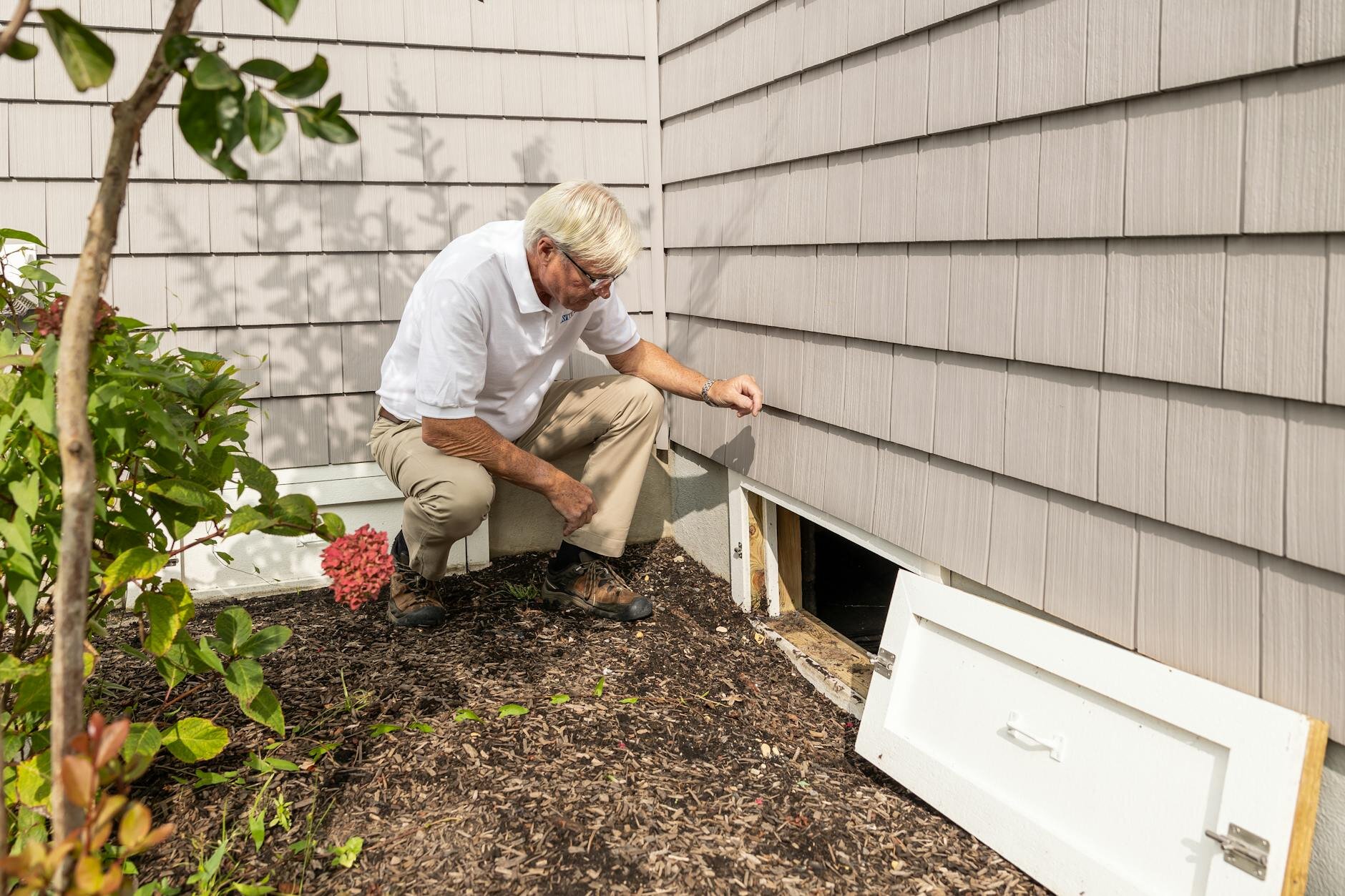
A private home inspection is one of the most important steps in the home buying process, but it's not always required. Unlike the home appraisal or the credit check, a buyer could skip the home inspection and still close on the loan.
Buyers who want to know exactly what they're buying should insist on getting their own home inspection.
An inspection could uncover serious problems with the home or at least give the buyer more knowledge about upcoming home repairs.
What is a home inspection?
A home inspection can show the physical condition of a property and its systems before you buy the home. A licensed, independent home inspector should check the home's condition from its roof vents to its foundation footings and then create a home inspection report.
This home inspection report could change your mind about buying the home if it uncovers serious problems you didn't already know about.
Or it could provide checklist of repairs for the seller to address to keep the purchase contract moving forward. Or it could give you a starting point for repairs that will be needed during the first few years of homeownership.
...in as little as 3 minutes – no credit impact
Why are home inspections important?
You should know more about the home after the inspection than you did before the licensed professional came out to inspect. This new knowledge can shape your next move.
A Porch.com survey of 1,000 homebuyers found details discovered by a home inspector led to negotiations that saved buyers an average of $14,000. For a point of reference, it usually costs $500 to $1,000, depending on the home's size, to get a home inspected.
Here's a breakdown of what home inspections can accomplish:
Uncover hidden problems
Typical buyers make an offer on a home after visiting it once or twice. During these tours, they might not notice roof leaks, foundation problems, and electrical hazards hidden behind walls or within systems. A home inspector gets paid to find these sorts of problems.
Gain negotiating power
Your home inspection report becomes the basis for requesting seller-covered repairs or price reductions. Documented issues in an official report give you more concrete evidence to support your negotiating position.
Meet lender requirements
Some mortgage lenders will require inspections before loan approval, while insurance companies may need inspection results before issuing homeowners' policies. Skipping this step can delay your closing or complicate your financing.
Identify safety hazards
Electrical problems, structural weaknesses, and faulty systems could harm you and your family. Professional inspectors spot these dangers using specialized knowledge and tools that casual observers lack.
Create your maintenance roadmap
Your inspection report prioritizes the home's future improvements and maintenance needs. You can create a home inspection checklist of repairs you'll need over the first few years in the home.
...in as little as 3 minutes – no credit impact
How do home inspections work?
Your offer to buy the home should include an inspection contingency. This clause in the contract makes the home purchase hinge, to some degree, on the results of the home inspection. For instance, if the inspection uncovered major foundation instability, you may be able to exit the contract without losing earnest money.
After you make an offer that the seller accepts, it's time to schedule the home inspection. Realtors usually have a list of home inspectors to recommend, but you, as the buyer, can also choose your own home inspector.
Expect to pay $500 to $1,000, depending on the size, style, and location of the home you're buying. This expense is usually paid separately from the loan's closing costs.
What happens on inspection day
On inspection day, a certified home inspector will visit the home and complete a systematic exam that usually lasts two to four hours. They'll inspect structural components, exterior elements, roofing, foundation, plumbing, electrical systems, HVAC, interior features, and appliances.
Unlike your initial walkthrough, this evaluation digs deeper, testing outlets, examining hidden areas, and evaluating system functionality.
The inspector should document everything with detailed notes and photos. They'll crawl through attics, examine basement foundations, test water pressure, and check electrical panels. Every finding gets recorded, from minor maintenance issues to major safety concerns.
The home inspection report
Once the inspection is complete and paid for, you should get a detailed inspection report with full-color images highlighting deficiencies and concerns. This document becomes your roadmap for understanding the property's true condition and negotiating repairs or price adjustments with the seller.
Even after closing on the home, the inspection report can provide valuable knowledge for years into the future.
How to choose a good home inspector
The value of the home inspection you get depends on the qualify of the inspector you hire.
Look for professionals certified by the American Society of Home Inspectors (ASHI) or the International Association of Certified Home Inspectors (InterNACHI), organizations that require rigorous training and maintain strict ethical standards.
Here's what separates qualified inspectors from the rest:
- Certification verification: Confirm membership with ASHI or InterNACHI, which require continuing education and adherence to professional standards. These credentials help ensure your inspector follows industry best practices.
- Report quality: You can request sample inspection reports before hiring the inspector. The best inspectors provide detailed analysis with clear photographs and specific explanations of issues. You want reports that clearly communicate problems, not generic checklists. Be wary of inspectors whose reports are filled with terms like "could not access" and "could not determine."
- Reference checking: Read online reviews and ask your real estate agent for recommendations based on past client experiences. Talk to friends who have recently bought homes about their experiences.
- Communication skills: Your inspector should be able to explain findings clearly during the walkthrough and answer questions without jargon. You're paying for expertise you can understand and act upon.
Remember, you want an inspector who advocates for you, the customer, not for your real estate agent, lender, or insurance company.
Common issues that can fail a home inspection
Home inspectors don't technically "fail" a home. They simply reveal problems. However, some issues appear often enough to derail purchases or require serious negotiations with the seller.
Understanding these common concerns helps you prepare for what inspectors might uncover:
- Water damage tops the list of deal-breaking discoveries. Roof leaks, foundation seepage, and plumbing issues can create expensive repairs. Inspectors find these problems in basements, attics, and around chimneys and windows where damage may not be immediately visible to buyers.
- Electrical hazards also raise major red flags. Outdated wiring, overloaded circuits, and missing GFCI outlets create safety risks that many lenders won't approve financing for until repairs are completed.
- Plumbing problems are common. Improper drainage, lack of pipe insulation, or leaks in pipes often require repairs.
- Structural problems like foundation cracks, sagging floors, or compromised support beams can lead to serious issues requiring engineering assessments. These discoveries often lead to contract cancellations when repair costs become too much for the buyer to take on.
- HVAC system or water heater failures create immediate concerns, especially when heating or cooling systems need complete replacement. A failed furnace in winter or broken air conditioning in summer gives buyers significant negotiation power.
- Pest infestations and mold problems also surface regularly during inspections, requiring professional remediation that can delay closings. Asbestos can be especially expensive to remove.
- Exterior or interior cracks can reveal structural damage. Often home inspectors will recommend hiring a structural engineer to take a second look.
What to do if serious issues surface
When your inspection report reveals significant problems, you have several options.
- Request seller repairs for safety hazards and major system failures.
- Negotiate a lower purchase price to account for repair costs.
- Ask for a credit at closing to handle repairs yourself.
- Consider walking away if problems exceed your budget or risk tolerance. (Your contract's inspection contingency protects you here.)
Remember that most homes will have minor issues like cosmetic problems or small maintenance needs. These rarely justify backing out of a purchase. Focus negotiations on safety hazards and expensive repairs that affect the home's value or livability.
Home inspection FAQs
How is a home inspection different from a homeowner's insurance inspection?
These inspections serve different purposes. Your home inspection evaluates the property's condition and systems for your protection as the buyer. Insurance inspections focus on liability risks and potential hazards that could lead to future claims. Home inspections serve you; insurance inspections protect the insurance company's risk assessment.
How much does a home inspection usually cost?
Expect to pay about $500 for a standard single-family home inspection, though home inspection costs vary by location and property size. Larger homes or properties with unique features require higher fees.
Can I do a home inspection myself instead of hiring a professional?
While you can conduct basic visual assessments, professional inspectors bring specialized knowledge, tools, and experience most buyers lack. DIY inspections miss critical defects hidden within walls or systems.
Is a home inspection different from a home appraisal?
Yes, a home appraiser finds the market value of the home on behalf of the lender. This appraisal process will require some inspection of the home, but it's not as thorough as a home inspection. Appraisals for government-insured loans like FHA, VA, and USDA mortgages, will include an inspection to make sure the home qualifies for the loan program. Still, this inspection won't be as complete as a private home inspection arranged by the buyer.
Inspectors, like good lenders, offer transparency
Home inspections protect your investment in ways that go far beyond a simple property walkthrough or an inspection conducted by an appraiser or insurance inspector.
In short, the right inspector can provide more transparency about the condition of the home.
Transparency matters in the lending process, too. A digital native lender like Better can help guide you through the mortgage process with help from tools like online mortgage calculators.
Then, a mortgage preapproval can estimate your interest rate and monthly payments without obligation.
...in as little as 3 minutes – no credit impact