
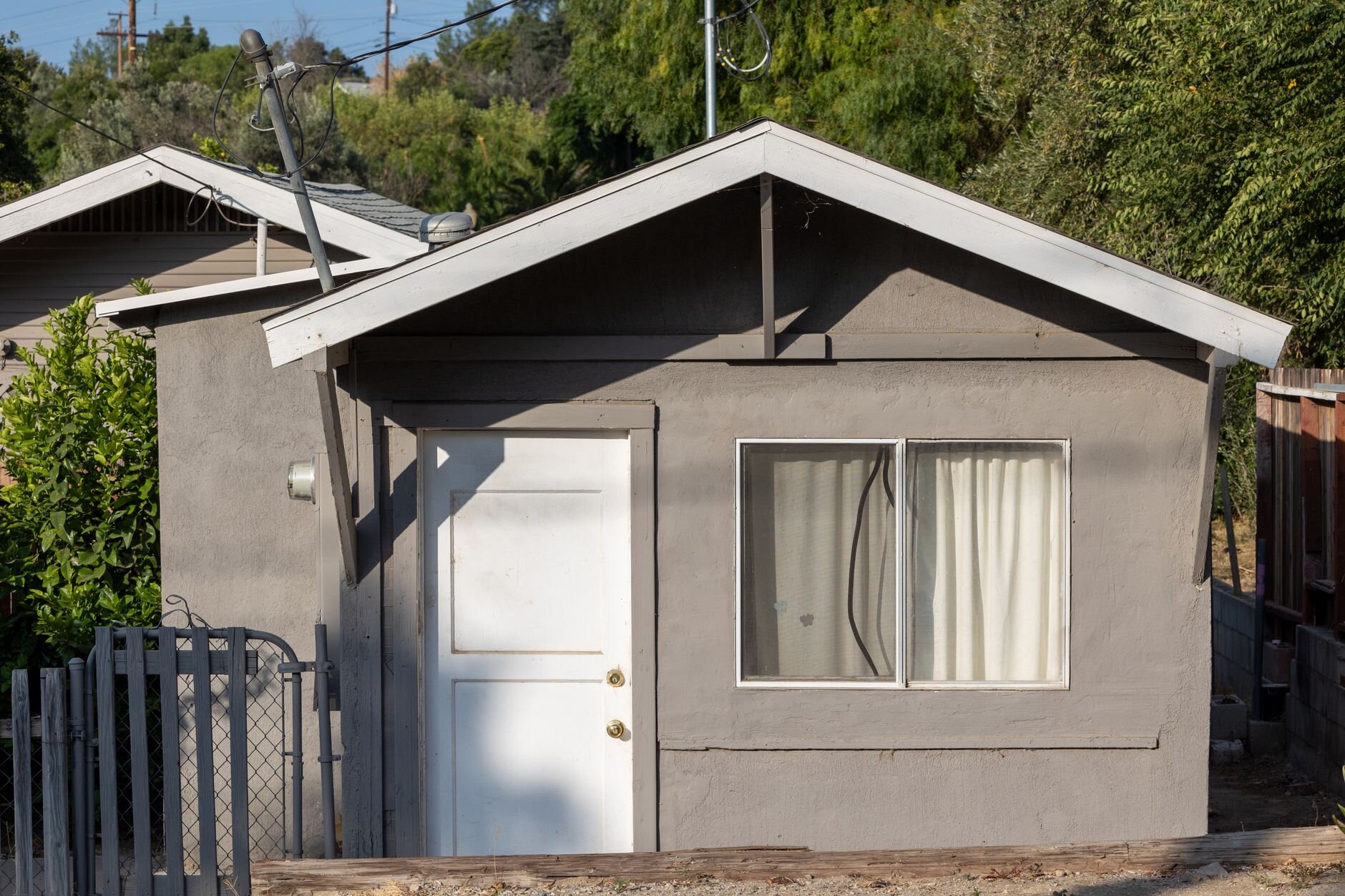
A growing number of states have relaxed zoning barriers, allowing homeowners to build accessory dwelling units (ADUs) without special permits or public hearings.
Massachusetts now requires all 352 of its municipalities to allow ADUs by right in single-family zones. Washington, Colorado, and Oregon have similar statewide mandates already in effect, and California continues adding to nearly a decade of annual ADU legislation.
If your state has loosened its rules, the harder question usually isn't "am I allowed to build one?" anymore. It's "how do I pay for it?"
...in as little as 3 minutes – no credit impact
Which states changed ADU laws since 2024?
The trend nationally is toward fewer local ADU barriers, not more. A rough sense of where things stand:
| State | What Changed |
|---|---|
| Massachusetts | Massachusetts law generally allows qualifying ADUs by right in single-family zoning districts statewide. The state law applies to 350 cities and towns; Boston is governed separately. |
| California | 2026 laws (including AB 976 and AB 1033) permanently removed owner-occupancy requirements and now allow ADUs to be sold separately as condos in participating cities |
| Washington | HB 1337 allows up to two ADUs per lot in urban growth areas, eliminated owner-occupancy requirements, and capped impact fees |
| Colorado | HB 24-1152 guarantees one ADU by right per single-family lot in covered jurisdictions and bars HOAs from banning them |
| Oregon | Cities over 2,500 people must allow at least one ADU per single-family lot, with no owner-occupancy or parking requirements |
| North Carolina | New law requires cities with populations over 120,000 to allow ADUs on single-family lots |
Connecticut, Maine, New Hampshire, and Vermont have all passed some version of statewide ADU allowances in recent years as well, and several more states, including Arizona and Nevada, have bills moving through committee.
Local design standards, short-term rental restrictions, and utility requirements can still apply even where the state has removed the bigger barriers, so it's worth checking your specific city or county before assuming state law is the final word.
Why this matters beyond zoning
An ADU isn't just extra square footage. Done right, it can function as a source of rental income, a way to house aging parents or adult children without buying a second property, or simply a way to add value to a home you already own.
Better's guide to multigenerational mortgages covers how some lenders count projected ADU rental income toward qualifying income on certain loan types which matters both for someone buying a home that already has an ADU, and for someone weighing whether the eventual rental income justifies the cost of building one.
The legal shift matters because it changes the math on that decision. A homeowner in a state that removed owner-occupancy requirements, for example, can now rent out both the primary home and the ADU, rather than being required to live in one of them.
How to pay for an ADU
ADU construction costs vary significantly based on location, size, site conditions, permitting requirements, and whether the project involves a conversion, addition, or new detached structure. Costs could range from about $80,000 to $400,000 or more.
Many homeowners cover this cost with:
- A HELOC (home equity line of credit). A revolving line secured by your home's equity, useful if you're not sure of the exact total cost yet or want to draw funds in stages as construction proceeds. - A cash-out refinance. Replaces your existing mortgage with a new, larger one and gives you the difference in cash upfront. This can make sense if today's rates are close to or better than your current rate; see cash-out refinance pros and cons.
- A construction loan. Disburses funds in stages tied to construction milestones, then typically converts to permanent financing once the ADU is complete. This route is more involved but can be the better fit for a full ground-up detached ADU with a longer build timeline.
Using home equity to finance an ADU requires having home equity and qualifying for a home equity loan, home equity line of credit, or cash-out refi.
... in as little as 3 minutes – no credit impact with soft credit check.
Will an ADU pay for itself?
Whether an ADU will generate enough income to pay for itself depends heavily on local rents, vacancy risk, and how much the ADU costs to build.
A homeowner who spends $150,000 on a garage-conversion ADU and rents it for $1,800 a month is looking at roughly $21,600 a year in gross rent, before accounting for vacancy, maintenance, property tax increases, and insurance.
At that rate, it would take about seven years of gross rent to recoup the construction cost, not counting financing costs on however the project itself was funded.
This math changes based on your local rental market and the type of ADU you build, which is why a rough national breakeven estimate is far less useful than running your own local numbers before committing.
There's also a non-rental case for building one: housing a family member without financing (or helping finance) a second property, which doesn't show up in a payback calculation but is often the actual reason people build.
What to check before you build
- Confirm your specific city or county's current rules, even in a state with strong ADU protections, local design standards, parking, and short-term rental restrictions can still apply.
- Get a real construction estimate, not just a national average, since local labor costs, permit fees, and site conditions can swing the total significantly.
- Understand how the ADU might affect your property taxes and homeowners insurance before finalizing your budget.
- Compare financing options against your specific equity position rather than assuming one path (HELOC vs. cash-out refi vs. construction loan) is automatically the best fit. The right answer depends on your current rate, how much certainty you want in the loan amount, and your project timeline.
FAQs about ADUs
Can I legally build an ADU now that my state has passed a new law?
Likely with fewer barriers than before, but check your specific city or county. Even states that removed major statewide barriers, like owner-occupancy requirements or special permit hearings, often still allow cities to enforce design standards, parking rules, or utility requirements.
What's the difference between a HELOC and a cash-out refinance for ADU financing?
A HELOC is a revolving line of credit on top of your existing mortgage, useful if costs are uncertain or you want to draw funds in stages. A cash-out refinance replaces your entire mortgage with a new, larger one and gives you the difference upfront, which can make sense if current rates are close to or better than what you're already paying.
How much does it typically cost to build an ADU?
National estimates put the average around $180,000, with a typical range of $80,000 to $360,000 depending on whether it's a garage conversion, an attached addition, or a new detached structure, and depending significantly on your local market and labor costs.
Will rental income from an ADU count toward my mortgage qualification?
Whether ADU rental income can be used to qualify depends on the loan program, transaction, property, and required documentation. Some mortgage programs allow qualifying ADU rental income in specified circumstances, so check the requirements for your particular loan.
Does removing the owner-occupancy requirement actually change much for homeowners?
It can. In states that still required owner-occupancy, homeowners had to live in either the primary home or the ADU. Removing that requirement means a homeowner can rent out both units, which changes the potential return on the investment significantly compared to renting out just one.
The bottom line about ADU financing
The legal path to building an ADU has gotten easier in a growing number of states, but the financing question hasn't changed: you still need a comparison of your equity, your project's likely cost, and your realistic rental income before committing.
A HELOC, cash-out refinance, or construction loan can each make sense depending on your specific numbers.
...in as little as 3 minutes – no credit impact